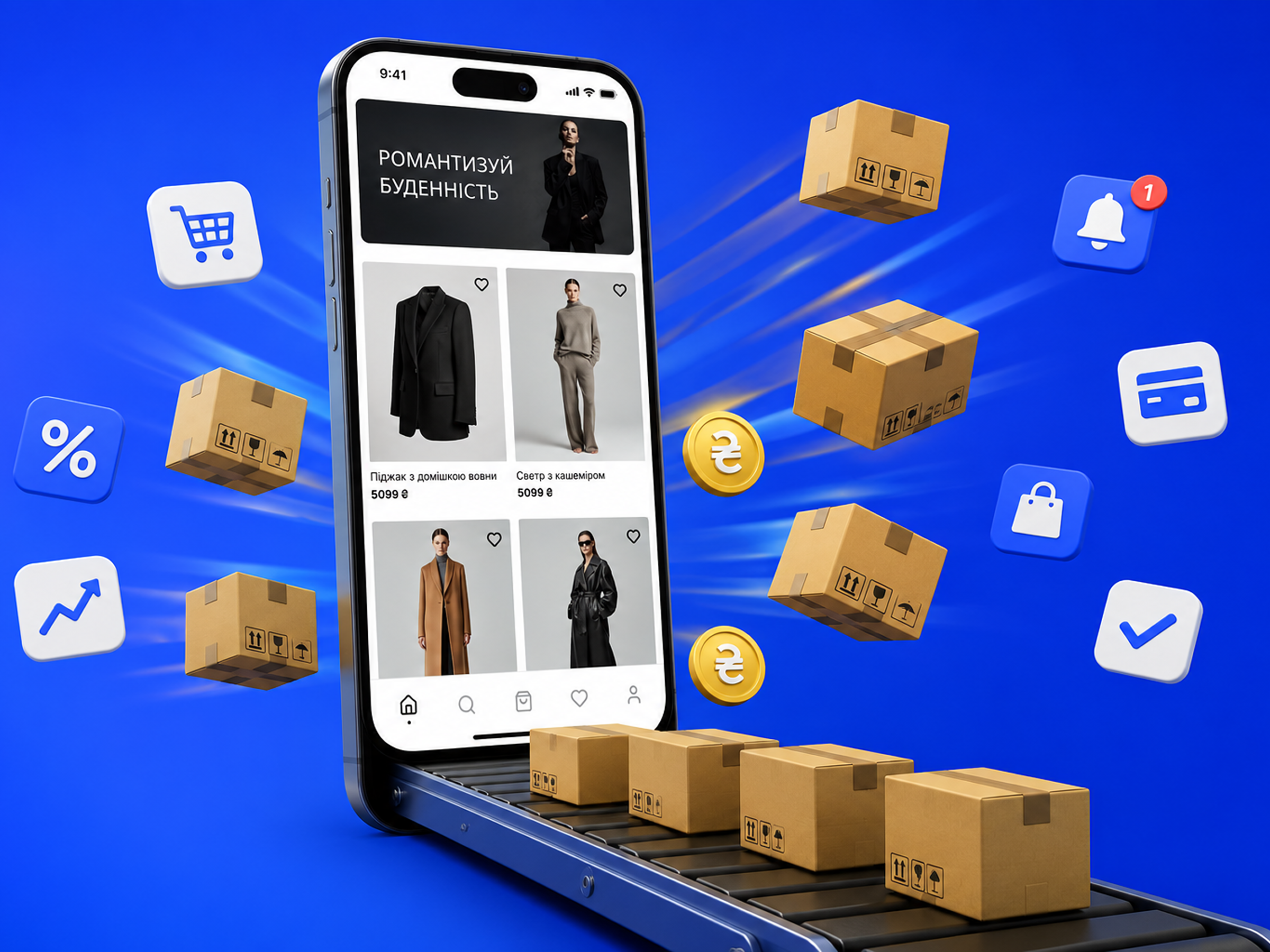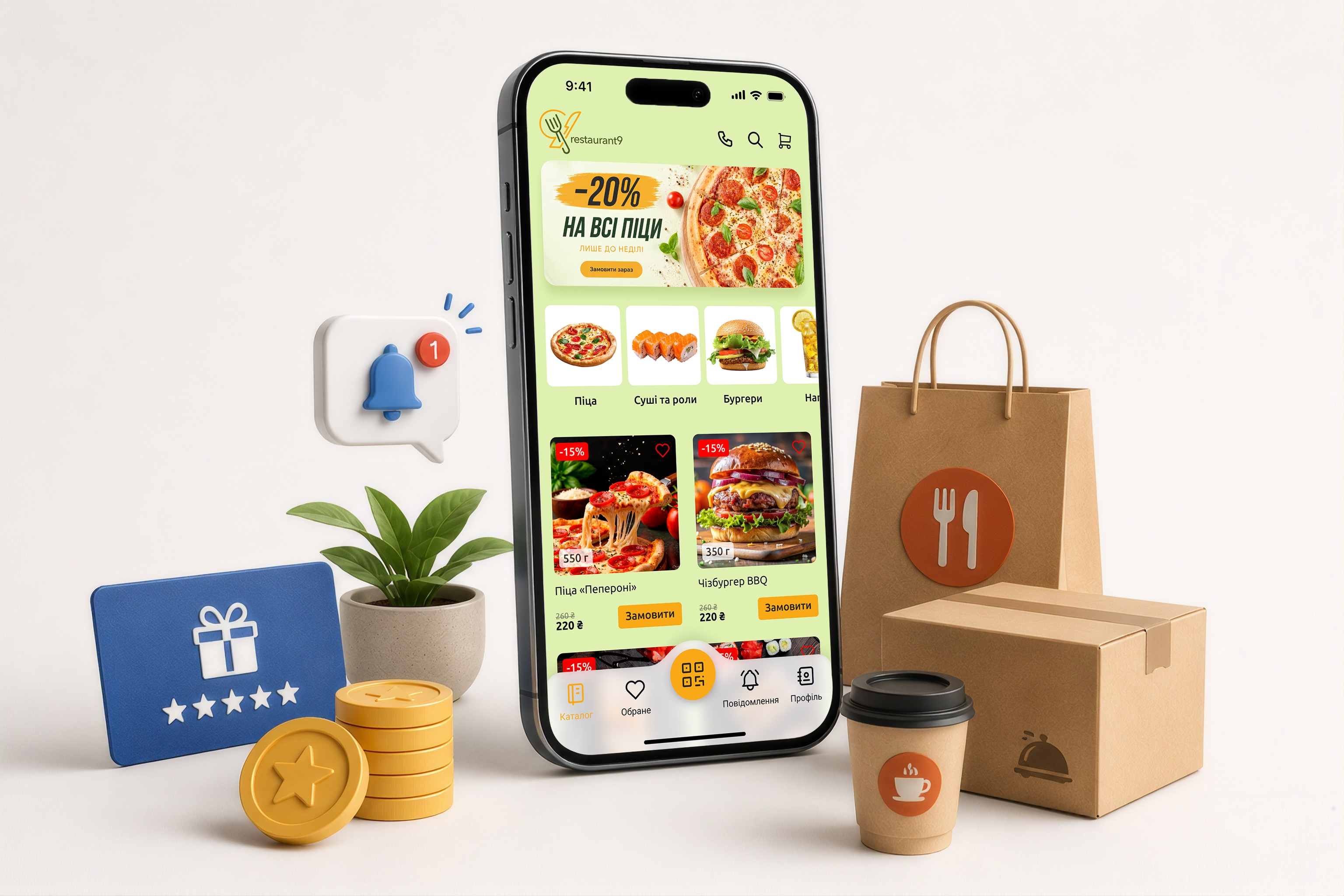
Just a few years ago, having your own mobile application was considered a solution mainly for large companies.
Development for iOS and Android, design, backend, testing, publication in app stores — all this required a separate team and a significant budget.
Today a business can get a mobile application much more simply.
One of the modern models is a ready-made mobile application on a subscription basis.
Biksico allows you to get a ready-made mobile product for business in branded design with a catalog, online orders, payment, delivery, loyalty programs, push notifications and integrations. The solution is provided for Android and iOS.
Imagine a restaurant client.
They ordered food through the website.
The order was completed.
The next week the client wanted to place an order again.
But your website is no longer in front of them on the screen.
They may open Google.
They may go to Instagram.
They may see a competitor’s ad.
They may order somewhere else.
A mobile application changes this situation.
Your brand’s icon remains on the smartphone.
This does not guarantee a repeat order, but it creates a permanent direct interaction channel.
Exactly the problem of “the business’s app is not in the client’s smartphone” is highlighted by Biksico among the main requests that the mobile product solves.
A website opens in a browser.
A mobile application is installed on the device.
This creates a completely different interaction model.
An app can use:
That is, the user receives an environment created specifically for interaction with the brand.
Imagine that a client ordered from your restaurant several times.
After a certain time you can remind them about the brand.
For example:
“Your favorite rolls are available again.”
Or:
“Today there is a special offer for you.”
Or:
“Use the accumulated bonuses by the end of the week.”
This is a much more direct channel than ordinary advertising.
But push communication needs to be used wisely.
If you send messages every hour, the client will simply turn off notifications.
Therefore, the future belongs to personalized communication.
Classic plastic cards are gradually giving way to digital tools.
In a mobile application you can build a loyalty program around:
For example:
order → bonuses → push → repeat order.
This is how a client retention cycle is formed.
Biksico provides loyalty and communication tools in the mobile product.
On the SWO Sushi website, clients are offered to download a mobile application, and the company itself uses the mobile channel for communication with clients. The website also states the possibility of receiving 5% cashback and using the accumulated amount to pay for the order.
For the restaurant business this is a very illustrative scenario.
The website attracts and accepts orders.
The app helps bring the client back.
For HoReCa a mobile application can unite almost the entire client journey.
The client:
In this case the app becomes not an advertising product, but a sales channel.
The same principle works for classic e-commerce as well.
In the application you can implement:
Biksico provides an intuitive catalog, filtering, sorting, product card, cart and other tools for mobile sales.
Another important point is the brand.
If a user downloads an application of a restaurant or store, they should feel that it is part of a specific brand.
Biksico provides branded design of the mobile application.
This allows adapting the digital product to:
Thus, a ready-made product can remain recognizable for a specific company.
Imagine two identical pizzerias.
For the first one the client has to search for the website every time.
For the second one there is their own application on the smartphone.
It already has saved:
Where will it be easier for the client to place a repeat order?
Exactly convenience often becomes the reason for a repeat purchase.
A mobile application can become a two-way channel.
Biksico provides a chat with clients in the app, as well as tools for working with reviews and push communication.
This means that the company can not only sell, but also receive feedback.
For example:
order → review → response → new offer.
This is how long-term interaction is built.
This is a fundamentally different model from classic development.
In the classic model a company orders the creation of a product and pays for its development.
In the subscription model the business receives a ready-made digital product and uses it for a regular fee.
On Biksico the model is described as the opportunity to get a mobile application without the need to pay for the entire development at once, as well as to receive support and updates.
This lowers the entry barrier for business.
In traditional development the cost of a mobile application can be significant.
You need to take into account:
The subscription model allows a business not to concentrate a large budget at the start.
On Biksico the Mobile App tariff provides a ready-made mobile application, up to 50,000 products, unlimited orders, branded design, catalog, payment and delivery, loyalty, chat, CRM integrations and the owner’s application.
Then a mobile application can become the next step.
A client can get to know the brand through the website, and constantly interact through the application.
This is especially logical for companies with repeat purchases.
For example:
Google → website → first order → app → push → repeat order → loyalty → repeat purchase.
Thus the website and the app work not separately, but as one system.
For a business that wants a full-fledged digital channel, Biksico offers a comprehensive Site + Mobile App solution.
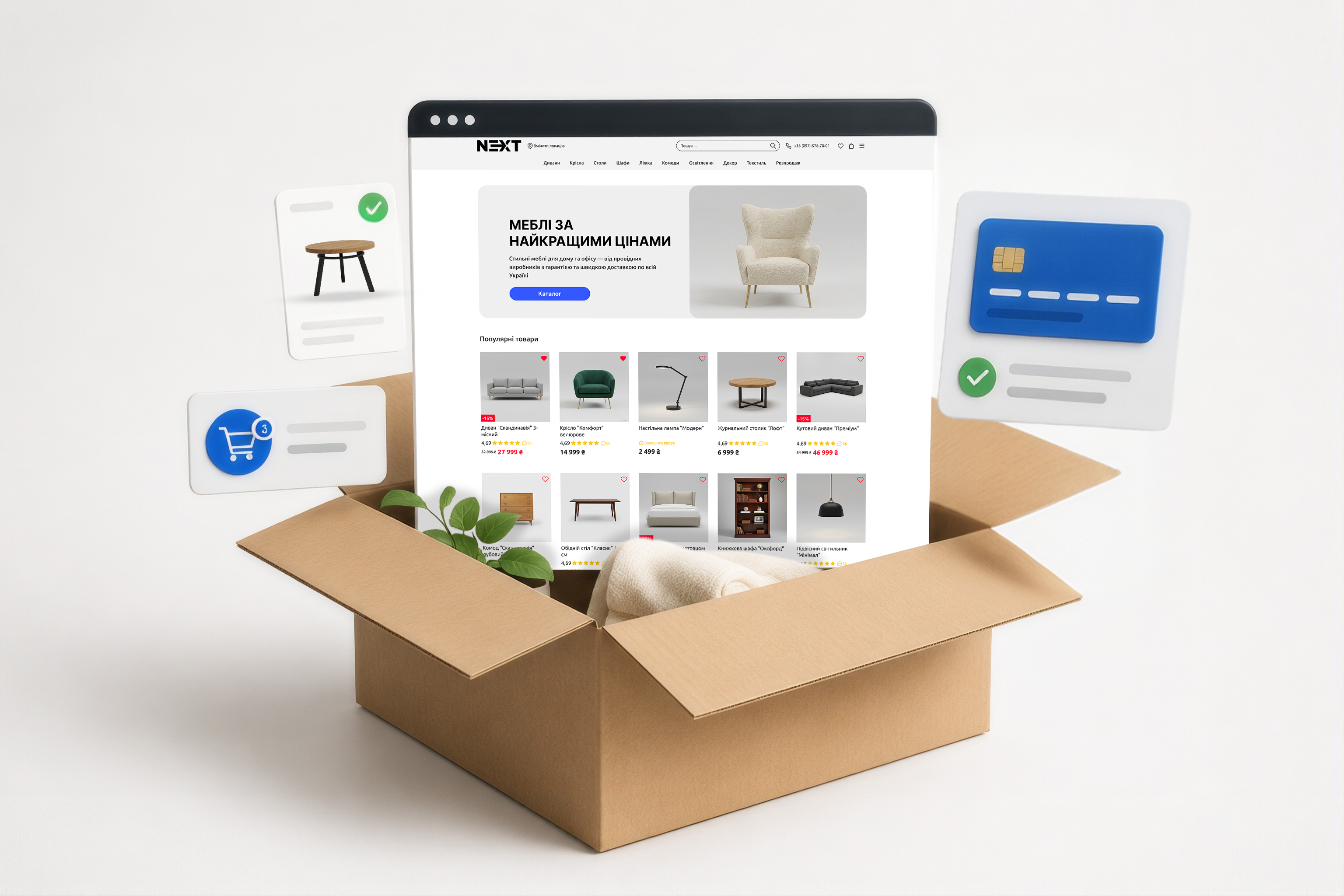
It includes a ready-made website and mobile application, shared catalog, orders, delivery, payment, loyalty, CRM integrations and other tools.
This is especially interesting for:
An application is especially justified if:
If a client uses your product once every few years, the benefit from the application will be significantly smaller.
A mobile application has ceased to be exclusively a product for large corporations.
Today it can be considered a practical tool for a restaurant, online store, local brand or other business with repeat sales.
A ready-made solution on a subscription basis allows not starting multi-month development from scratch.
The business receives a ready-made base, branded design, catalog, orders, payment, delivery, loyalty, push communication and support.
If your business already has a website or actively works with online sales, the next step may be a ready-made Biksico mobile application for rent.
Your brand remains in the client’s smartphone — and with it remains the opportunity for the next order.
All News




.png)